
Launchdayisday one.
Monitoring, patching, tuning and a monthly report written for whoever signs off the budget — whether or not you file a ticket.
The night it breaks
A severity is about who is losing what — not which subsystem.
Most support contracts grade by component, which is why a broken image on checkout gets a lead engineer and a silently failing payout job gets a ticket. Ours grades by what it costs you.
- Response
- Within the hour, any hour
- You hear
- Called, not emailed
- Who picks it up
- Lead engineer paged directly
What happens, in order
The post-mortem is the part most contracts skip. It is the only step that stops the next one.
04Engagement
How a month actually runs
Scheduled work, incident response and a pool of hours for the small things — reported openly.
- 01
Audit
Initial system health and security assessment.
- 02
Onboard
Setting up access and monitoring agents.
- 03
Stabilize
Fixing critical technical debt and security gaps.
- 04
Optimize
Routine tuning for cost and performance.
- 05
Evolve
Quarterly strategic infrastructure reviews.
02Capabilities
What the retainer covers
Monitoring, patching, tuning and a monthly report you can hand to whoever signs off the budget. All six run whether or not you file a ticket.
24/7 Monitoring
Uptime, error rate, latency and resource pressure watched continuously, with alerts routed to a human who is actually on call rather than into a dashboard nobody has open at 3am. Thresholds are tuned so alerts stay meaningful.
What lands in your repo
- Uptime, error-rate and latency alerting to an on-call rota
- Status page and incident notifications for your team
- Alert thresholds tuned to cut false positives
01Use cases
Three situations this is built for.
If one of these sounds like your week, this is the practice to start with.
Sound like something else?
Describe it to an engineer
A site nobody is watching
- 1The situationYou find out it is down when a customer messages you — usually on a weekend.
- 2What we buildUptime, error-rate and latency monitoring with alerts routed to an on-call human and a status page for your team.
- What you walk away with
- Alerts reach a person, not a dashboard
- Incident notes you can actually read
- Thresholds tuned to cut false alarms
05Related work
Built in the same neighbourhood.
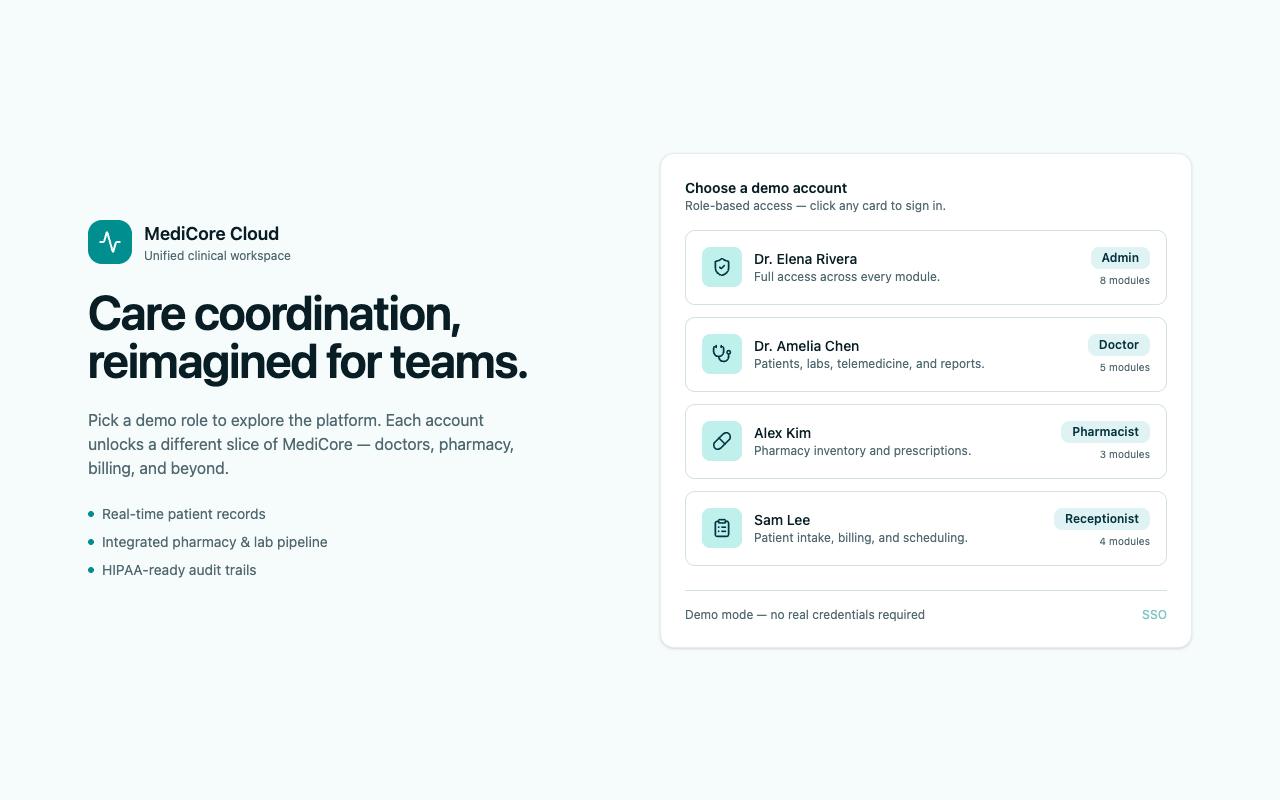 Platform
MediCare Hub
Hospital system for patients, pharmacy, billing and laboratory.
Patients · PharmacyView case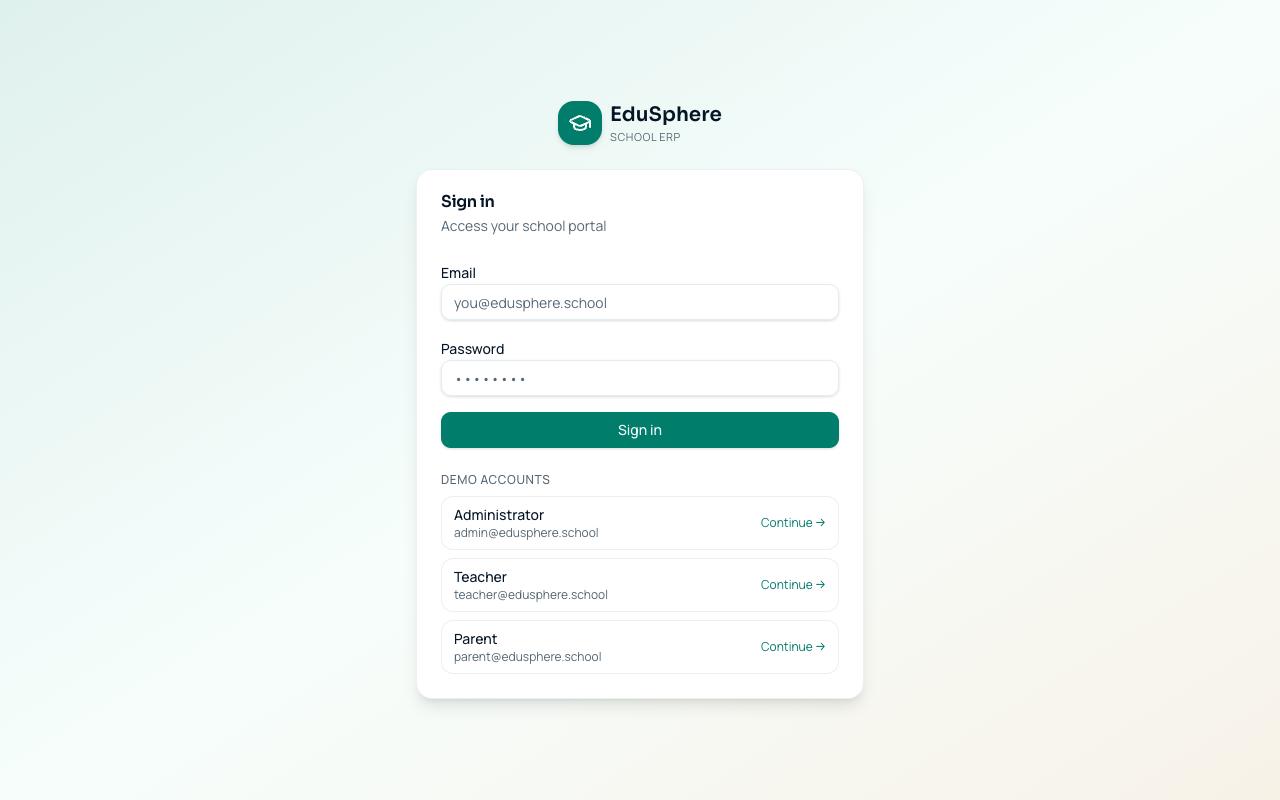 Platform
EduSphere Harmony
School platform for students, teachers, parents and exams.
Attendance · ExamsView case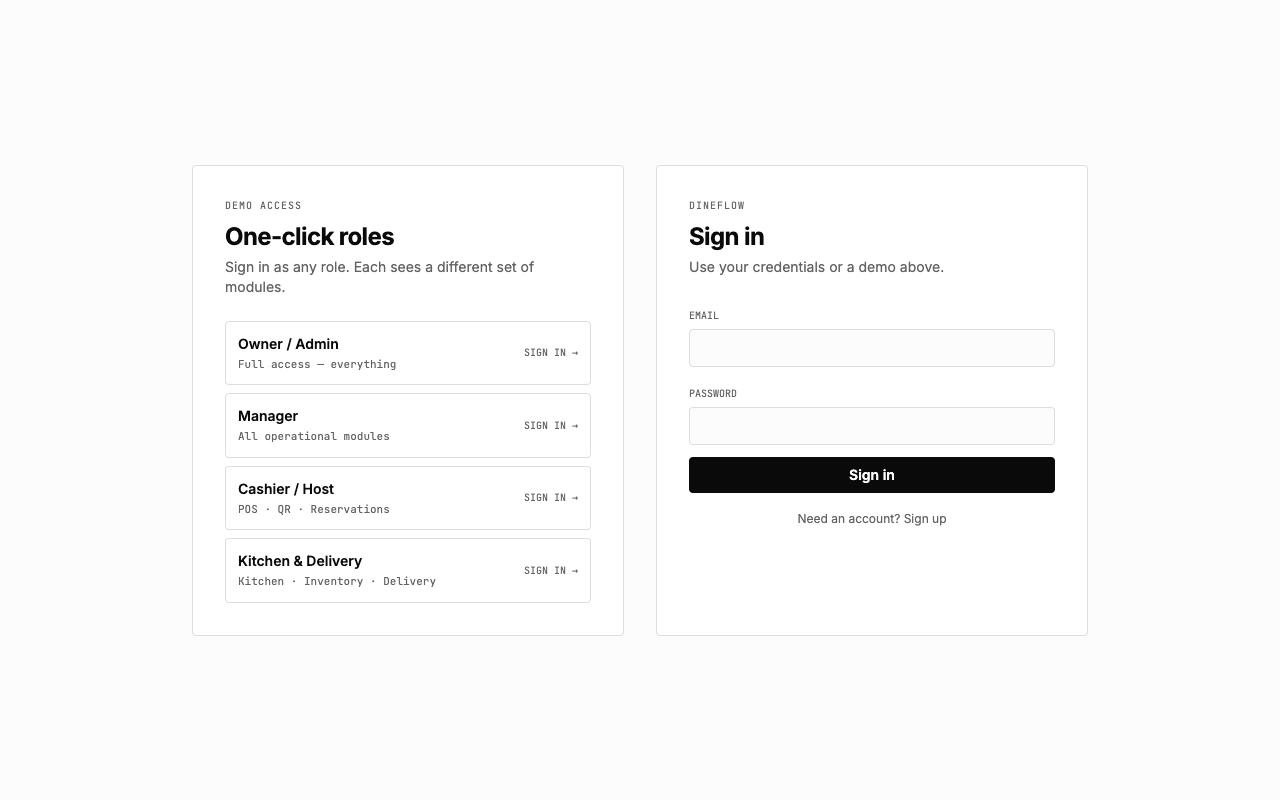 Platform
DineFlow Harmony
Restaurant operations with POS, kitchen, reservations and stock.
POS · KitchenView case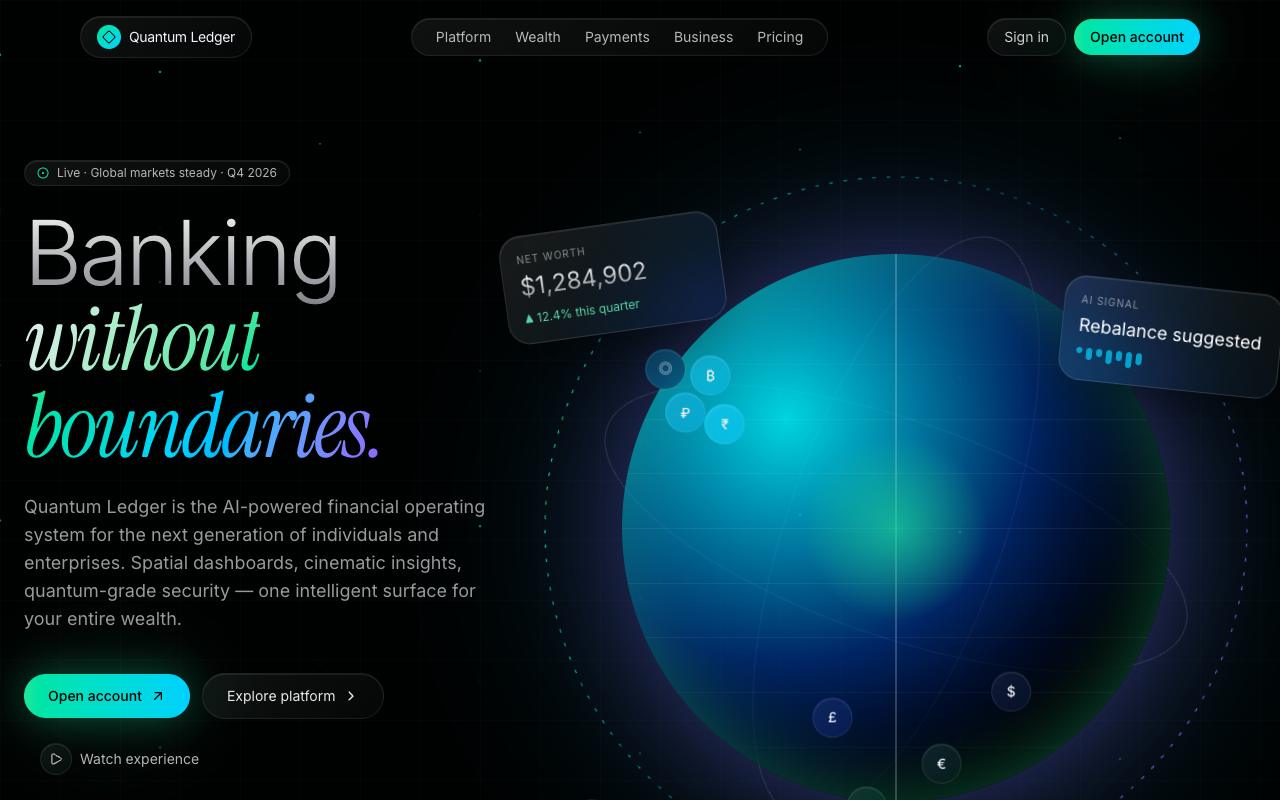 Website
Quantum Ledger Nexus
Digital banking platform with dashboards, transactions and analytics.
Dashboards · TransactionsView case
06Connects with
Rarely bought on its own.
One team runs all seven practices, so the handovers that usually cost you weeks simply do not happen.
How it usually goes
Two seams, and your brief crosses both. Weeks go into getting three companies to agree on what was already decided.
How it goes here
One contract, one team, one running record of every decision. Nothing is re-explained, because nobody new arrives.
- Backend & CloudInfrastructure work when the fix is deeper than a patch.
- Websites & Web ApplicationsContent, speed and SEO upkeep on live sites.
- SaaS Platforms & MVPRelease support once paying customers depend on it.
Hover one to find it in the band. Everything shaded is a practice this studio runs — you are never handed to somebody else to finish the job.
Ready to hand over the pager?
Tell us what you are building and a lead engineer replies — no SDRs, no discovery-call funnel.
- Fixed-scope or embedded with your team
- NDA before any technical detail
- 100% of the IP transferred to you

